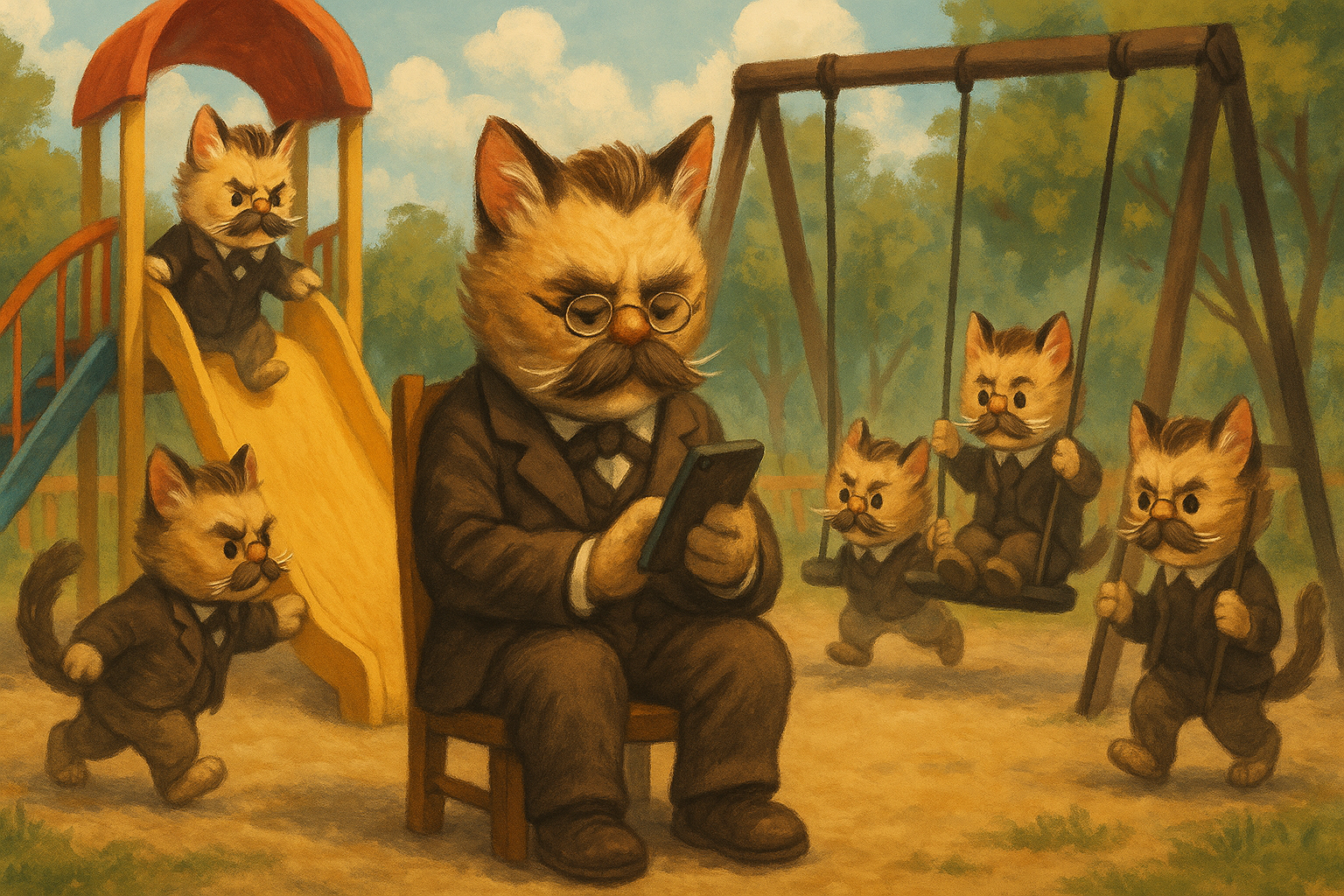
If there's one thing I've learned about being a father, it's that the meaning of "dad" is always changing. It's shaped by technology, shifting societal roles, and—more than anything—the messy, beautiful unpredictability of life. In 2025, parenting isn't any easier, but the truths that matter most are still the same: connection, presence, and raw, unfiltered honesty.
When Fatherhood Was All I Had
There was a time when being a father felt like the only thing I was any good at. After my divorce, that sense of purpose was ripped away. What followed was a brutal period—depression, addiction, and a black hole of grief and disorientation. I paid child support, saw my kids just a few weeks each year, and navigated a court system that seemed engineered to punish men like me: men who wanted to show up but didn’t check the right legal boxes.
It was slow, agonizing torture—watching from the sidelines while knowing I had so much more to give, if only I were allowed to. And yet, in the heart of that darkness, I came to a painfully important realization: being a dad isn’t about calendar days or custody agreements. It’s about what you bring to the table when you do get to show up. It’s about love without conditions, support without strings, and presence that transcends distance.
What Fatherhood Looks Like in 2025
Raising kids today is like trying to play chess on a board that keeps changing shape. My kids are surrounded by AI-driven everything—homework bots, immersive games, nonstop social media. You can't just say, "no screens after 8." Every decision is a negotiation. And while tools like AI can help with things like bedtime stories or organizing calendars, I'm constantly on guard against letting the machines parent for me.
More importantly, the archetype of the dad is shifting. We're no longer just providers or disciplinarians—we’re expected to be emotionally available, resilient, and aware. We're lighthouses now, holding steady while our kids learn to navigate stormy seas. Emotional intelligence isn't optional anymore. Vulnerability is part of the gig.
A Text Message That Said It All
Not long ago, my son hesitated when I asked him about his college plans. He’d mentioned Buffalo before, but something in his tone changed—an internalized pressure to say whatever made his mom happy. So, I sent him this:
Hey Bubba, keep me posted on your college stuff. I'm here if you need help with anything. You seemed a little hesitant to tell me what school you applied to, and I just want you to know—I don’t give a shit where you go. I just want you to be happy and to chase something you love. Find that, and the rest falls into place.
If you can get college paid for in Florida? Hell yes, take it. Just keep me in the loop because I love you.
Also… I know you forget sometimes, but I’m not your mom. We’re opposites. I have zero expectations except that you find something that brings out your best. My love is unconditional. Always has been.
One more thing: get serious about building tools for introspection and self-awareness. Don’t wake up in five years realizing you’ve built a life trying to keep someone else happy. That’s a one-way ticket to resentment.
You Can't Control Everything—But You Can Control You
One of the toughest pills I’ve had to swallow is that love doesn't always grant access. Divorce, distance, bureaucracy—they can make you feel like a ghost in your own kid’s life. But presence isn’t just showing up physically. It’s in the texts, the voice memos, the unwavering support. It’s letting your kid know they’re loved for who they are—not for what they do or who they please.
And when the world won’t let you be as present as you want to be? You double down on what you can do. You stay honest. You keep showing up, even if it’s in a smaller window than you'd like.
The Core Values I Live By
I'm not perfect. Not even close. I’ve made some epic mistakes, I’ve hurt people, and I’ve had to rebuild myself from scratch. But here’s what I try to live by: honesty, humility, and emotional intelligence. I don’t hide from my past—I use it. I talk to my kids about my fuckups. I teach them that growth is messy, and that pain doesn't have to define you.
I want to give them what I didn’t have: the space to be fully themselves. I want them to see that being a man means being open, being flawed, and being unafraid to feel things.
Making the Most of Limited Time
For dads like me—who live apart from their kids—every second counts. I’ve learned to be intentional: no phones when we're together, no bullshit small talk. I try to listen more than I speak, and I look for little rituals to make our time special. A shared playlist. A goofy inside joke. Late-night conversations that go a little too deep for a school night.
Even when we’re apart, I send memes, check in, and make sure they know I’m here. You don’t need daily presence to have deep connection—you need consistency, honesty, and a whole lot of love.
Why I Write This Stuff
I write this not because my story is rare, but because it's real. And if there's one thing I've learned from the communities I’ve joined—online and off—it’s that dads don’t talk enough. We bottle shit up. We pretend we’re fine. And that silence kills us.
So I share. Not to vent, but to connect. To let other fathers out there know: you’re not alone. You’re not failing. You’re human. And that’s enough.
Final Words (Before 2 More Paragraphs 😂)
Fatherhood in 2025 is equal parts joy, pain, confusion, and clarity. It’s about showing up, owning your shit, and loving your kids so hard that they never question it—even when you're not around.
So, to every dad out there—struggling, thriving, somewhere in between—keep going. Be real. Be present. Be kind to yourself. Your kids don’t need a perfect version of you. They need the honest one.
Thanks for reading. If any of this resonated, drop a comment or shoot me a message. I’d love to hear your story, too. We’re all figuring this out together.
The Power of Listening and Radical Honesty
Kids know. They know. They pick up on the energy in the room, the tension in relationships, the stuff we think we’re hiding. That’s why radical honesty matters so much.
When I’ve screwed up, I own it. No sugarcoating. No fake apologies. Just me, looking my kid in the eye and saying, “I fucked up. And I’m sorry.”
What happens next is always the same—they forgive me. Because when we treat our kids with that kind of emotional respect, they rise to meet us. They learn that vulnerability isn’t weakness. It’s strength.
And above all else, I listen. Not the half-assed kind of listening where you’re already thinking about your reply—but the kind where you actually hear them. It builds trust. And that trust? It’s what gets you through the hard shit.
They may forget what we said. But they’ll never forget how we made them feel.
Where the Hurt Lives, So Does the Real
Here’s the truth they don’t tell you in the parenting books: self-awareness fucking hurts. Especially as a father. When you start really examining your patterns, your shadows, the generational shit you’re trying to unlearn—it’s a brutal mirror to stand in front of.
But that pain? That’s the good kind. The kind that means you’re alive and paying attention. That you give a damn. It’s where real transformation begins. Just by choosing to do the work—by feeling the pain, staying present, and refusing to numb out—you’re already miles ahead of the hollow, disconnected shells pretending everything’s fine while running from themselves.
In those moments when you ache from missing your kid, or when you second-guess every choice, or when you sit in silence knowing you could’ve done better—that’s where the seeds of authentic connection are planted. With your kids. With yourself. With anyone who’s ever dared to try and love without a fucking script.
Parenting will break you open. But if you’re brave enough to stay open, something beautiful happens. You get to build something real. Flawed, tender, and raw—but real.
So keep showing up. Even when it hurts. Especially when it hurts.
Because that’s where the connection lives—within, and without.
← Back to the blog